
Elul Newsletter
5785/6 - 2024/5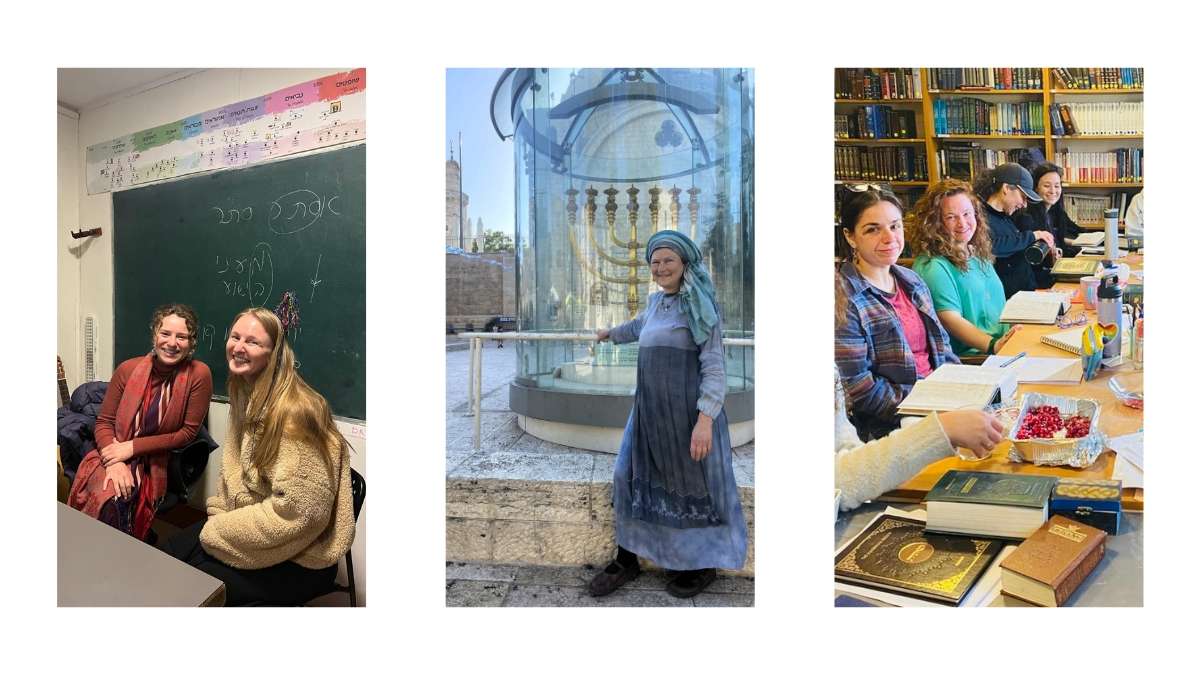
I’m pleased to share with you a few highlights of Holistic Torah from the Land and give you the opportunity to partner with us in offering women of all ages and from all walks of life a unique, integrated Torah experience that will strengthen their Jewish identity and prepare them for keeping a Jewish life and home.
May Hashem bless you with health, happiness, love, and abundance from Above and below!
!שנה טובה תכתיבו ותחתימו Shana Tovah, Tikateivu v’Tichateimu!
May you be inscribed in the Book of Life!
With Blessings of the Torah & the Land, Chana Bracha Siegelbaum
Rectifying the Falsehood of the World by Planting the Tree of Truth, a D’var Torah by Rebbetzin Chana Bracha
 We are living in daunting times. Antisemitism is spreading its ugly lies wherever it can disseminate its contaminating poison, particularly throughout Europe and North America. Tragically, some of our dear sisters and brothers are becoming ensnared in this growing web of deception. The world is becoming increasingly polarized between those who choose death, violence, deceit, and hatred, and those who choose life, hope, faith, and redemption.
“This day, I call upon the heaven and the earth as witnesses [that I have warned] you: I have set before you life and death, the blessing and the curse. You shall choose life, so that you and your offspring will live” (Devarim 30:19).
We are called upon to take a stand and choose a side in this global atmosphere of intensifying division. During the Exodus, only one-fifth of our people merited redemption because the majority lacked the clarity and courage to swim against the tide and stand up for life. Those 80% sadly perished during the plague of darkness. As we now stand at the threshold of redemption, we must learn from this painful lesson and choose life.
We must also pray and blaze a path for those trapped in the quagmire of falsehood – one of the defining signs of the final redemption: “In the times of the footsteps of the Messiah …Truth will be absent…” (Sotah 49b).
Rav Tzaddok of Lublin cites the mishna “on the first of Tishrei is Rosh Hashanah for planting” (Rosh Hashanah 2a). This planting refers to the Tree of Life. As the Gemara teaches, “In Tishrei we will be redeemed.” Rosh Hashanah marks the time to bring about complete redemption by planting the Tree of Life, which embodies the highest level of repentance. Yet, this planting is not metaphorical alone. It is the spiritual re-rooting of our being (Pri Tzadik, Tu B’Shevat, Section 2).
The conclusion of the Rosh Hashanah Torah reading alludes to this concept:
“He planted an orchard in Be’er-Sheva, and he called there in the name of Hashem, G-d of the world” (Bereishit 21:33).
What is the connection between planting an orchard and proclaiming the name of G-d?
Rabbeinu Bachaya explains that the planting of the righteous is a spiritual preparation for Divine consciousness and rectification. Immediately following the act of planting, the Torah testifies, “He called out there in the name of Hashem” – linking physical planting to the revelation of the Divine (Rabbeinu Bachaya, Bereishit 21:33).
At Midreshet B’erot Bat Ayin, we strive to follow in the footsteps of Avraham and Sarah, who drew down the Shechinah through the act of planting. This planting is not limited to trees and vegetation. In Hebrew, the word for planting also implies a connection to the Source of life itself, as the men proclaim after being called to the Torah: “…the life of the world You have implanted within us.” בְּתוֹכֵנוּ וְחַיֵּי עוֹלָם נָטַע
May we merit to participate in repairing the rupture caused by the Tree of Knowledge of Good and Evil – by restoring the Tree of Life and choosing truth over falsehood. Through planting in its fullest sense – spiritual, physical, and redemptive – may we help usher in the era when the Shechinah will be fully revealed.
Samantha’s Journey – From Reform Temple to Torah Roots in Bat Ayin
by Samantha Borr
I was born and raised in New Jersey to two Jewish parents. All four of my grandparents were born in the U.S. My mother came from a very assimilated family where there was a lot of fear around being Jewish. My father grew up outside Chicago in a small conservative-traditional Jewish community. Both of my parents were tennis players and met in college.
We belonged to a Reform Temple, but I wasn’t raised with a strong Jewish identity or community. I always knew I was Jewish, and we celebrated the holidays, but I didn’t understand why we were such a minority. Why didn’t my friends celebrate the same holidays? Why did my school ignore them? Why were tennis matches scheduled on Yom Kippur? Why was I constantly told “Merry Christmas” in December? I felt disconnected and confused.
Throughout my four years in college, I had no exposure to Judaism. Then, in my last year, a student in my class asked if I was Jewish – and if I wanted to go to Israel for free. I was stunned. A free trip just for being Jewish? I signed up without knowing what to expect. I had been raised with almost no education about Israel or Zionism. I remember seeing an Israeli flag in my Reform Temple and thinking it was just a Jewish symbol. I didn’t know it represented a sovereign nation – the biblical homeland of the Jewish people.
About a month before my Birthright trip, my dad happened to walk by a sukkah and was invited to a Shabbat meal by a Chabad rabbi. That night became my first-ever Shabbat dinner. One month later, I arrived in Israel – and instantly felt at home. It was incredible to discover a country centered around Jewish life. My first Shabbat in Jerusalem was deeply moving – the stillness, the closed stores, the quiet streets – I had never seen anything like it.
After that trip, I staffed three more Birthright programs. While the trips weren’t religious, they sparked something in me. I started becoming more involved in my local Chabad, and continued when I later moved to Florida. In August 2023, I moved to Israel through a Masa program and requested to work in a religious school. I wanted a new experience – to learn what I had never learned growing up, and yes, to build a modest wardrobe! I was thrilled to be placed in a religious environment. It was a powerful experience that started me on a journey of wanting to learn more about Torah and Jewish life.
After the program, I joined a kibbutz. I went in with an open mind, but quickly realized that I didn’t share its values or ideology. I didn’t feel I could be myself. I left early and joined Walk About Love to hike the Israel National Trail. That journey reconnected me with the land and our ancestors – walking the same terrain they once walked thousands of years ago. I felt deeply grounded and more in love with Israel than ever before.
Right before Shavuot, a friend sent me a flyer for a retreat at Midreshet B’erot Bat Ayin. When I shared it with others, they all said Bat Ayin would be a great fit for me. Many people had told me to try a seminary, but none felt right until this one. I entered the Shavuot retreat with an open heart and left excited to join the summer program. I had never attended seminary or received formal Jewish education, and I realized this was a crucial part of my identity that I wanted to explore.
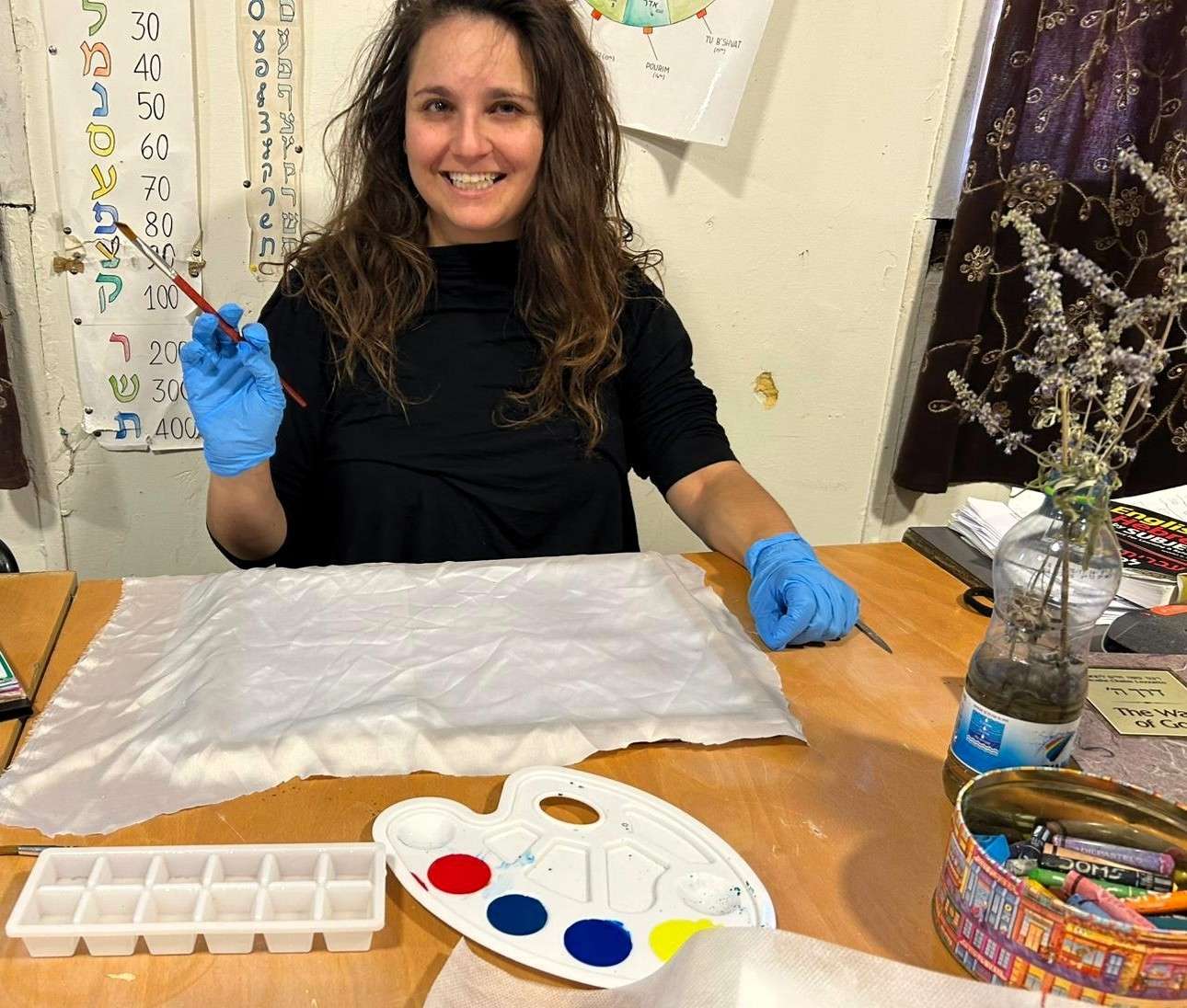
From my first phone call with Rebbetzin Chana Bracha, I felt so connected that I knew B’erot was the perfect fit for me – and I was excited to join the Shavuot retreat. I decided to return for the summer program where I’ve learned foundational Jewish concepts I never knew as a child – from women’s mitzvot to the herbs of the Judean Hills. Helping the Rebbetzin prepare Shabbat meals has inspired me to one day host my own. The Torah-inspired art classes – making challah covers and decorating Shabbat candles – have helped me connect more deeply to these mitzvot, and I hope to share them with other Jewish women.
B’erot has given me both a basic Torah education and real-life experience in how I want to live as a Jewish woman. I’ve always felt connected to the Land of Israel, but here in Bat Ayin – gardening, harvesting fruit, working with the land – that connection has become both personal and spiritual. Gardening on this sacred soil has been one of the most meaningful experiences of my life. I truly feel how deeply the Jewish people are rooted in the land of Eretz Yisrael.
In Bat Ayin, I’ve found like-minded people and a peaceful environment that nurtures my soul. It warms my heart to see Israeli flags and even flags of the Third Temple flying proudly. I’ve also made wonderful friends – each from different backgrounds, but united by a deep love for Israel. I’m so grateful to have found Bat Ayin. While I wish I had found it sooner, I know that everything I experienced led me here at just the right time. I’m truly happy to be here – learning Torah, living in the land of Torah, and growing with such an inspiring community.
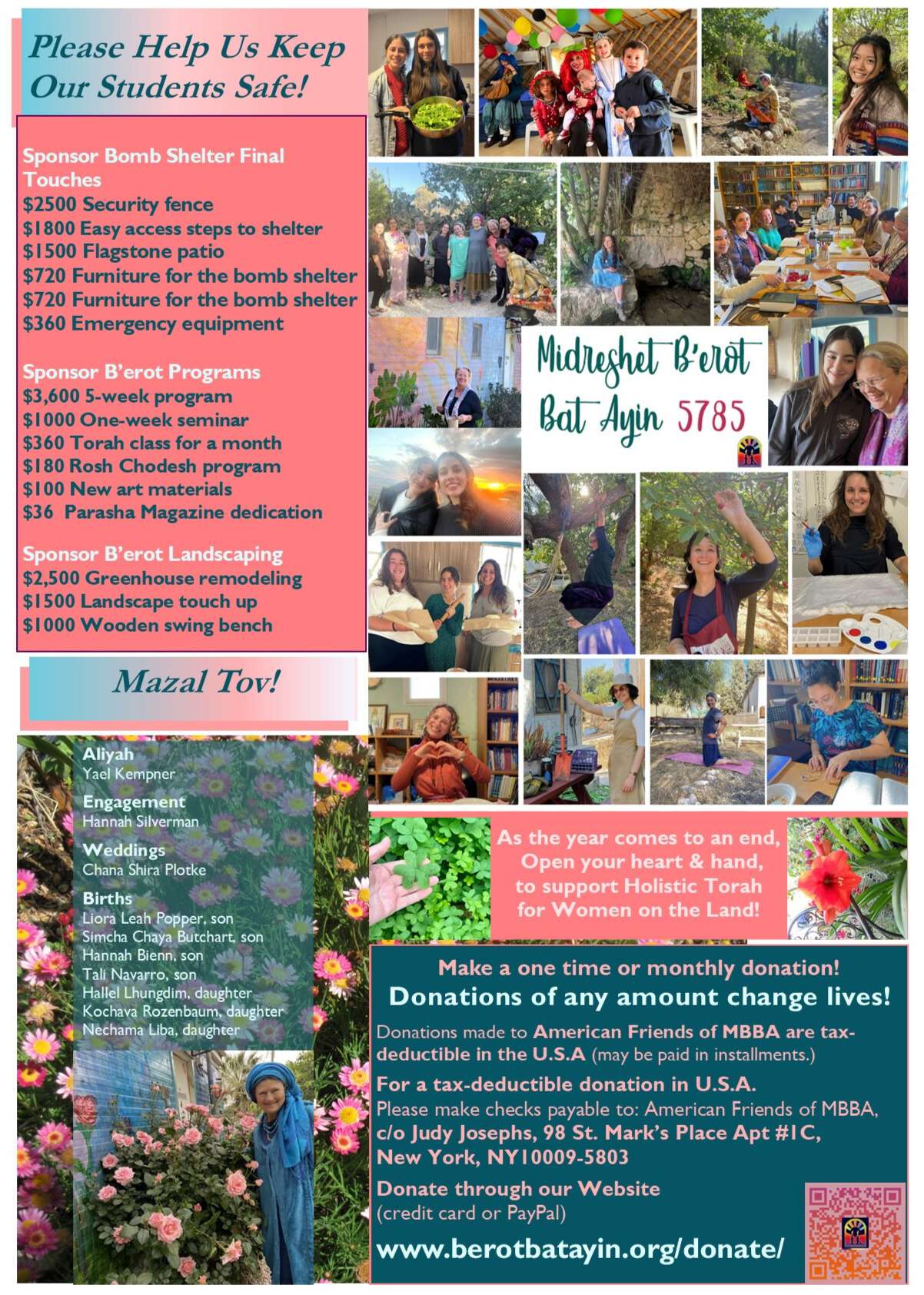
Ready to Change Lives?
$US and Israeli Shekel Tax Deductible Receipts available!
Thank You!
Faith Under Fire – What the Iran War Taught Me About Emunah and Empathy
by Rebbetzin Chana Bracha
Running a Midrasha in Israel for women from across the world is never simple, especially during wartime. On October 7th, the lack of a functioning bomb shelter at Midreshet B’erot Bat Ayin understandably caused widespread panic. But during the recent Iran war, even with a fully operational shelter, I was surprised by the depth of fear that still surfaced.
My role as Rebbetzin is to hold space for calm and instill bitachon – trust in Hashem. This, more than the threat of missiles, became my greatest challenge during the 12-day war. Personally, I was blessed with inner peace. I held tightly to the words of the Midrash:
“When the King of Persia stirs chaos and the nations tremble and panic, Israel will cry out in panic and say, “Where shall we come and go? Where shall we come and go? Where shall we come and go?” Tell them, my son, do not fear. Everything I did, I did for you. Why are you afraid? Do not fear, the time of your redemption has come” (Yalkut Shimoni, Yeshayahu 60:499).
With this emunah, I did not sleep with my phone beside me for pre-warning alerts. I knew that if a siren came, it would wake me, and I would have time to reach the shelter. On those nights when there was only a pre-warning but no siren sounded, I was grateful for uninterrupted sleep – and grateful that fear had not robbed me of it.
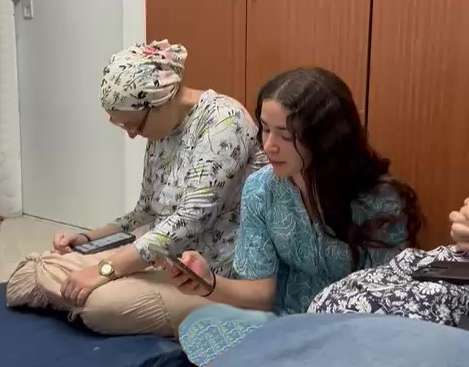
But for many of our students – most of whom were new to Israel – every warning message triggered waves of anxiety. Fear is contagious in a shelter. Some insisted we enter as soon as a missile alert was received, while others walked calmly after the siren began. This caused tension – some felt endangered by others’ composed pace, opening the shelter door after the siren had started. One student, terrified by reports of a missile penetrating a shelter, would only feel safe underground.
Navigating these dynamics required sensitivity and clarity. I did my best to create a fair shelter protocol while also respecting the wide range of fear thresholds. Most importantly, I tried to model calm and encourage trust in Hashem.
During each siren, I quietly closed my eyes for a brief cheshbon hanefesh: Where had I fallen short? Whom did I need to forgive or ask forgiveness from? I then thanked Hashem for His protection and prayed that our students – and all of Am Yisrael – be shielded in mercy. Those few minutes deepened my own bitachon, b”H. Seeing how strengthening that practice was for me, I encouraged my students to put away their phones while waiting for the all-clear sign. “These ten minutes are precious,” I told them. “Instead of distracting ourselves by scrolling, let’s use this time for teshuva, prayer, and gratitude. Let’s ask how we can better ourselves right now and thank Hashem for the daily miracles that bring us here alive.” Gradually, the shelter shifted from a space of panic to a mini beit tefillah – a training ground in emunah under fire.
Yet cultivating emunah in those sacred moments was only part of the test; the real challenge came in how we treated one another amid fear. The war was not only a test of faith – it was a test of middot, of how we relate to each other under pressure. The bomb shelter became a crucible of character: patience, compassion, and tolerance were constantly challenged in those cramped quarters.
Looking back, I see this experience as a spiritual preparation for the final redemption. Fear clouds logic, but emunah lights the way. And in those moments of trial, when the world trembles, Hashem reminds us: “Do not fear. I did all of this for you.”
Thank You, Kochava and Moshe – A Legacy of Steadfast Dedication
As Kochava and Moshe conclude five devoted years as dorm parents at Midreshet B’erot Bat Ayin, we extend our deepest gratitude for the lasting impact they’ve made on our community.
Kochava, through every transition – from the aftershocks of the corona era to wartime uncertainties – you remained an unwavering anchor. With grace, wisdom, and creativity, you infused the dorm with heart and meaning. You organized memorable school trips, taught Torah and creative classes, offered thoughtful advice, and even contributed professional articles to our newsletters. Every birthday was celebrated, every holiday thoughtfully prepared, and every calendar filled with uplifting, student-centered programming. Your relationships class offered a rare and precious space for students to reflect, grow, and heal. Even while raising your own young children on campus – with two babies born during your time here – your commitment to the students and the mission of the Midrasha never faltered.
Moshe, your quiet strength and behind-the-scenes dedication made a world of difference. From fixing lights at 3 a.m. to teaching a popular weekly class, to accompanying conversion students to the Rabbanut with care and planting flowers that brightened the campus, your presence brought stability, beauty, and kindness.
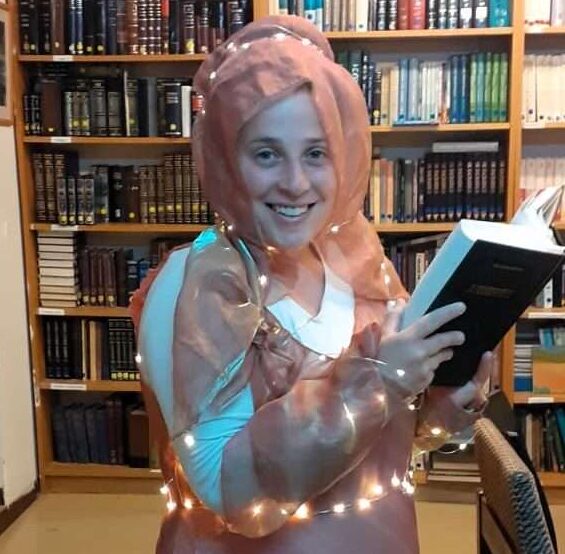
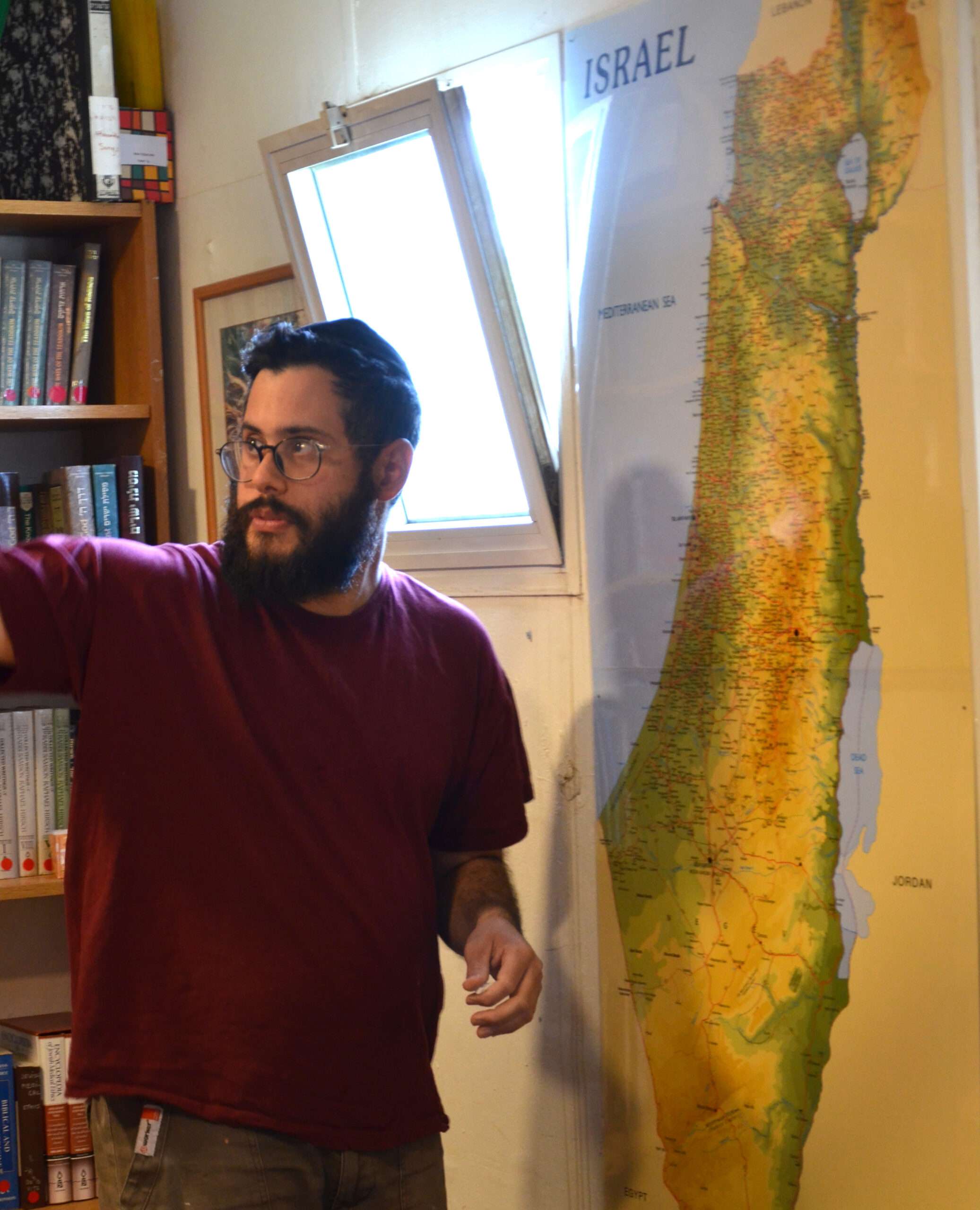
Together, your family created a true home – warm, grounded, and infused with Torah values. You modeled what it means to build a Jewish family rooted in Torah, chesed, and a deep sense of mission. You showed our students that a home can be a sacred space – filled with light, love, and service.
May Hashem bless your next chapter with health, joy, and revealed blessings. You will be deeply missed.
Midreshet B’erot Bat Ayin Community Welcomes New Dorm Parents and Staff
We are thrilled to welcome Geffen and Shoshanah Moser to their new home on the B’erot campus. Shoshanah will be serving as our full-time dorm mother, and Geffen is joining us as the new Assistant Director. We are excited for all they will bring to the Midrasha and to share a little bit about their background, values, and hopes for the future.
Geffen was raised in Denver, Colorado, by his secular Israeli mother and grandparents. He grew up speaking Hebrew casually at home and celebrating some of the more traditional aspects of the Jewish calendar. Geffen’s Jewish journey deepened during his time at Colorado State University, where he began to encounter Jewish life on campus. By the time he entered graduate school in Colorado Springs, he had started learning Torah more seriously.
He shared, “RaMChaL was by far my biggest influence as a beginner. When I finished the introduction to Derech Hashem, I was astonished by how precisely and concisely RaMChaL articulated more about the nature of human thought in a few paragraphs than I had found in my entire university philosophy courses. When I completed the first chapter of Mesillat Yesharim with my mentor, I knew I had to change my life. With the help of some amazing Rabbeim and a few absolute miracles, I found myself learning at Aish HaTorah in the Old City of Yerushalayim later that year.”
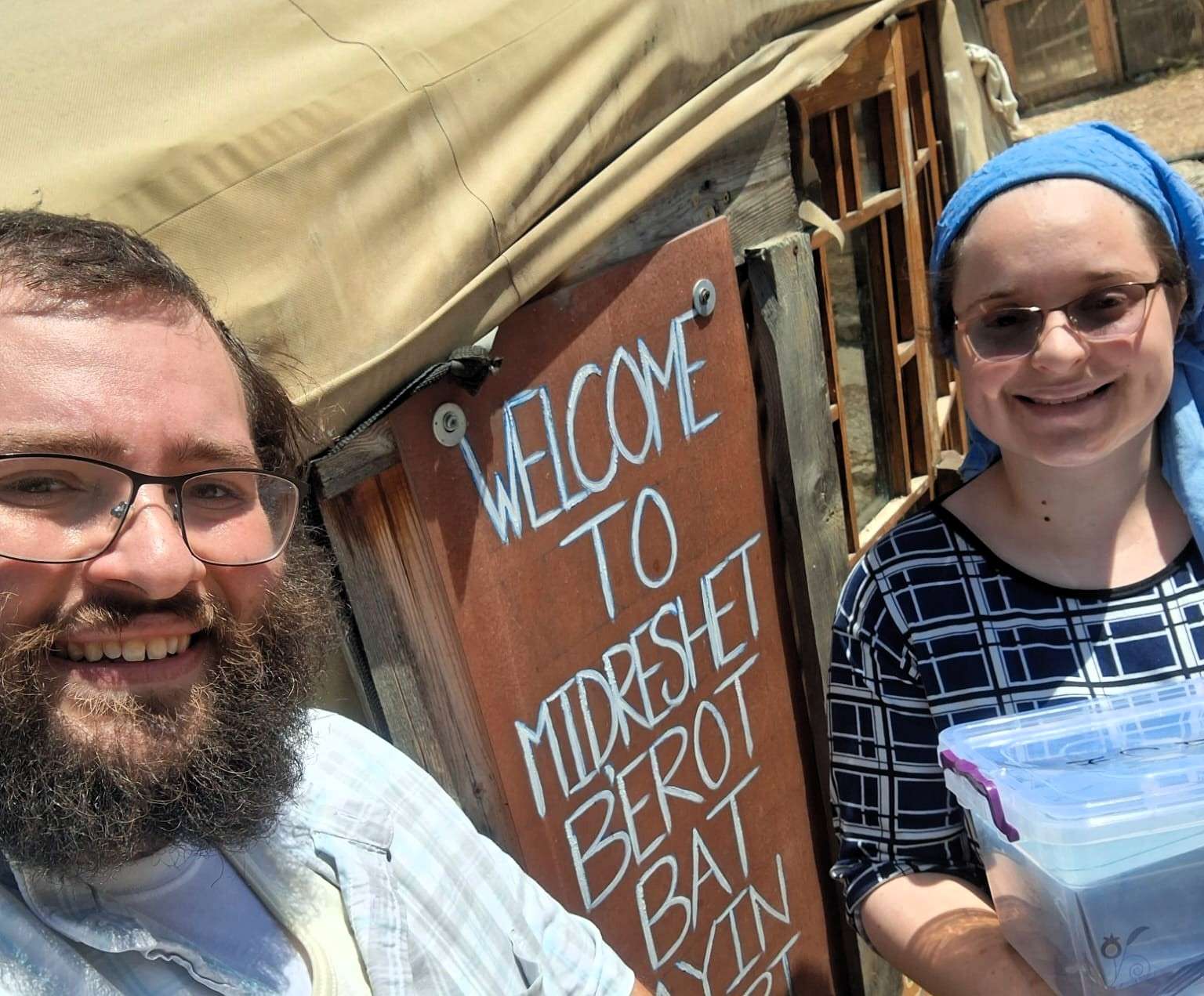
Geffen added, “I’m eager to be a part of the MBBA community and the broader Bat Ayin environment. I’m so grateful to Hashem for the warmth, growth, and liveliness that come with a Torah-based lifestyle, especially here in Bat Ayin. Whether behind the scenes in the office, in the classroom, or around the Shabbos table, my hope is to help create an environment where others can experience that as well, in the unique way Hashem reveals it to each person. I daven (pray) that our work here becomes a vessel for bracha and deveikut to Hashem for everyone involved.
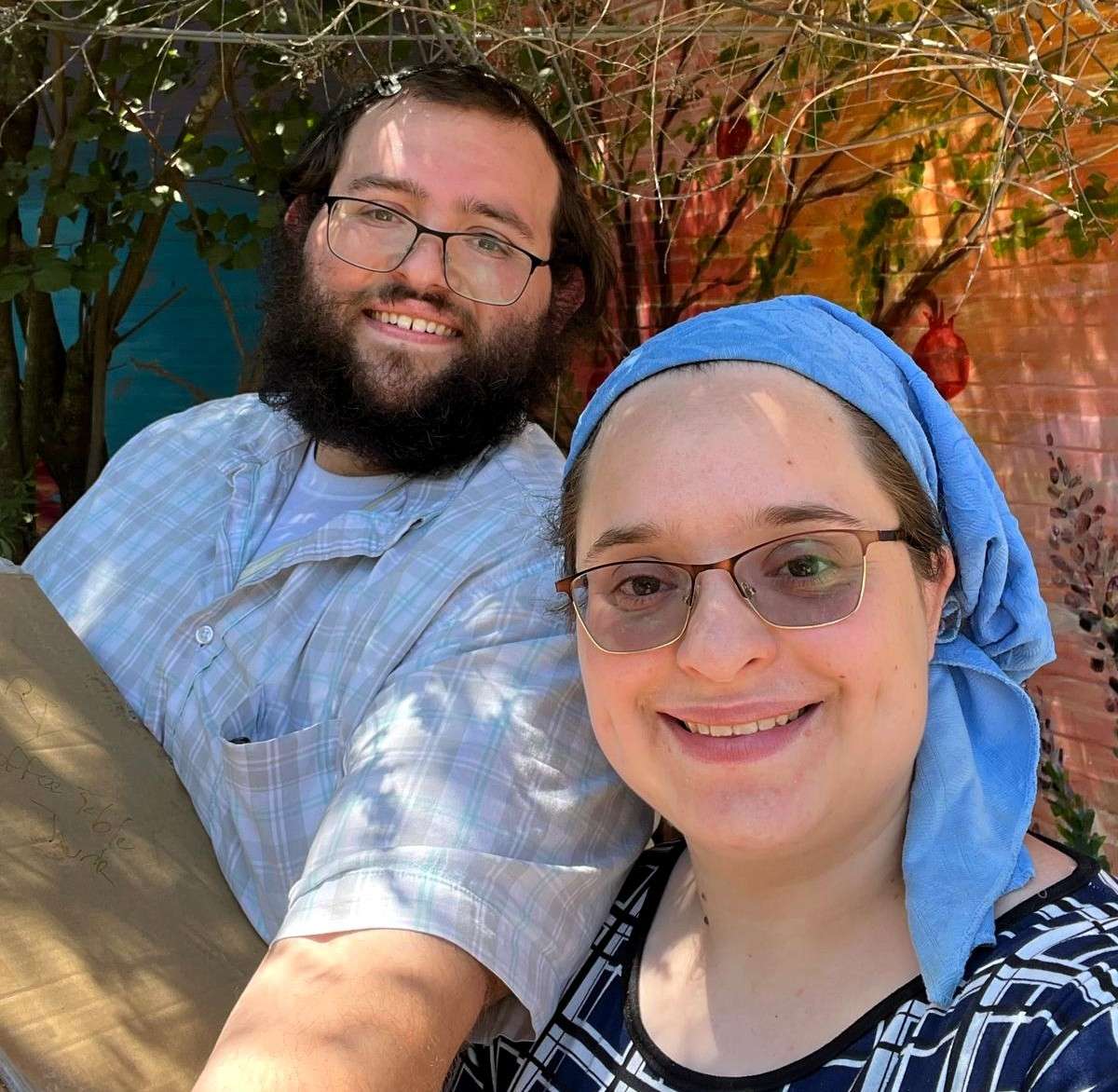
Shoshanah grew up in Milwaukee, Wisconsin. After enrolling her in a Chabad preschool, her parents began exploring Jewish practice and gradually brought more mitzvot into their home. “I loved how our house was full of guests and part of a warm Jewish community,” she said. “It inspired me to work with people and find ways to give back.” This calling led her to pursue a degree in Social Work at Loyola University in Chicago.
Geffen and Shoshanah met in Chicago and, during their first year of marriage, received a fellowship for couples to learn at Shapell’s and Midreshet Rachel v’Chaya. It was during this year that the tragic events of October 7th unfolded. Witnessing the unity and resilience of Am Yisrael in the immediate aftermath moved them deeply. They decided to make Aliyah from within the country.
“Seeing people in the Supermarket on October 9th rushing to buy socks and toothpaste for soldiers and evacuees, the care people had for one another, how alive it was, made me realize that whatever disagreements existed before were only surface-deep,” Shoshanah reflected. “This is the kind of society I want to raise children in, b’ezrat Hashem.”
We are blessed to have Geffen and Shoshanah join us and would like to share some of their hopes and aspirations for their roles at the Midrasha:
Shoshanah shared, “We had such a warm welcome and are so excited about this move. I’m looking forward to helping each student in whatever way I can and building relationships that support both personal and Torah growth. I hope to create a true sense of ‘home’ at the Midrasha, especially for the students. And I can’t wait to do some fun art activities with everyone!”